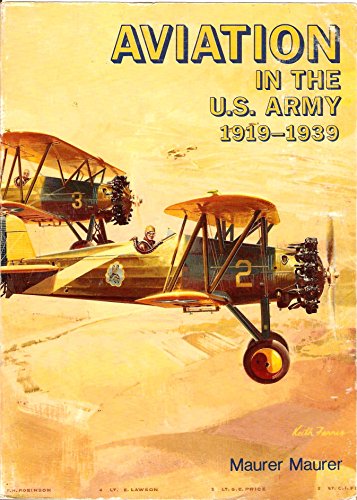
Aviation in the U.S. Army, 1919-1939
by Maurer Maurer
Popularity
2.89 / 5
* A book's popularity is determined by how it compares to all other books on this website.
Where to buy?
Buy from Amazon* If you buy this book through the link above, we may receive a small commission at no extra cost to you.
Aviation in the U.S. Army, 1919-1939 by Maurer Maurer
Details
War:
Cold War
Perspective:
Pilots
Military Unit:
US Army
True Story:
Yes
Biography:
No
Region:
North America
Page Count:
706
Published Date:
1987
ISBN13:
9780912799407
Description
Brief Summary
Aviation in the U.S. Army, 1919-1939 by Maurer Maurer is a comprehensive historical account that delves into the development of aviation within the United States Army during the interwar period. It explores the technological advancements, strategic shifts, and organizational changes that shaped the Army's aviation efforts. The book is grounded in an extensive analysis of military records, providing a detailed chronology of events that influenced U.S. military aviation from the end of World War I to the eve of World War II.
Main Themes and Topics
The book thoroughly examines the transformation of military aviation in the U.S. Army, focusing on critical themes such as innovation in aircraft technology, the evolving role of aviation in military strategy, and the institutional challenges faced by the Army Air Corps. Maurer also highlights the impact of political and economic factors on military aviation policy during this era, offering insights into how these elements shaped the future of air power.
Writing Style and Tone
Maurer Maurer's writing is characterized by its meticulous attention to detail and authoritative tone. The narrative is well-structured, providing a clear and coherent progression through the complex history of army aviation. Maurer's scholarly approach includes thorough documentation and references, which add depth and credibility to the work. Although the writing is dense with information, it remains accessible to readers with a keen interest in military history.
Criticism
While the book is praised for its depth and accuracy, some readers might find its dense presentation of facts and figures a bit overwhelming. The focus on detailed military and bureaucratic developments may not appeal to those looking for a more generalized historical overview. Additionally, the technical nature of certain sections might be challenging for readers without a background in military or aviation history.