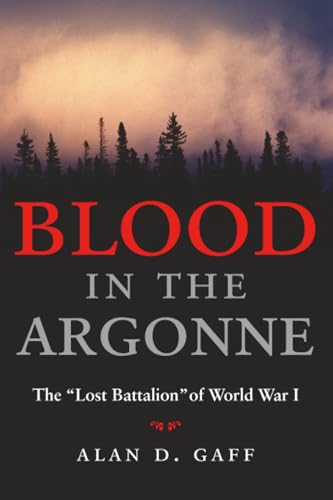
Blood in the Argonne
by Alan D. Gaff
"The Lost Battalion of World War I Volume 8"
Popularity
4.82 / 5
* A book's popularity is determined by how it compares to all other books on this website.
Where to buy?
Buy from Amazon* If you buy this book through the link above, we may receive a small commission at no extra cost to you.
Blood in the Argonne by Alan D. Gaff
Details
War:
World War I
Perspective:
Infantry
True Story:
Yes
Biography:
No
Region:
Europe
Published Date:
2025
ISBN13:
9780806196343
Description
Brief Summary
Blood in the Argonne by Alan D. Gaff offers a compelling account of the so-called "Lost Battalion" during World War I. Through meticulously researched primary sources, Gaff recounts the experiences of the 77th Division, led by Maj. Charles W. Whittlesey, during their iconic mission in the Argonne Forest. The narrative spotlights the diverse mix of soldiers who comprised this unit and addresses the inaccuracies surrounding the term "lost battalion" which was popularized by media at the time. This book provides an enlightening and authentic perspective on a crucial military episode from the viewpoint of the soldiers themselves.
Main Themes and Topics
A central theme in Blood in the Argonne is the concept of heroism amidst adversity. By focusing on firsthand accounts from the soldiers, the book delves into the grit and perseverance required to navigate the harrowing conditions of warfare in the Argonne Forest. Another significant topic is the debunking of myths and legends surrounding the "Lost Battalion." Gaff challenges the romanticized and sometimes inaccurate portrayal of the 77th Division. Through carefully sourced testimonies, he aims to provide a factual recount of the events, showcasing the power of historical narrative in shaping public perception.
Writing Style and Tone
Alan D. Gaff employs a straightforward and earnest writing style that appropriately matches the gravity of the historical events he recounts. His tone is authoritative, yet empathetic, reflecting a deep respect for the soldiers' experiences. Gaff's use of detailed descriptions, combined with vital primary sources, offers readers an immersive journey into the past, making the history both accessible and engaging. The language is neither overly academic nor simplified, striking a balance that appeals to history enthusiasts and general readers alike.
Criticism
While Gaff's commitment to uncovering historical truth is commendable, some readers may find the book's focus on correcting myths occasionally detracts from the narrative flow. In concentrating on dispelling inaccuracies, the narrative sometimes becomes dense with details, which might challenge readers seeking a more linear storytelling approach. However, this detail-oriented focus will likely be appreciated by those particularly interested in military history and historiography.
Awards and Recognition
Although Blood in the Argonne might not have garnered mainstream literary awards, it has received recognition and praise from historical and military circles for its thorough research and contribution to World War I literature. Alan D. Gaff's work is often highlighted for its reevaluation of established narratives, an approach that has earned respect among historians aiming to uncover nuanced understandings of past events.


