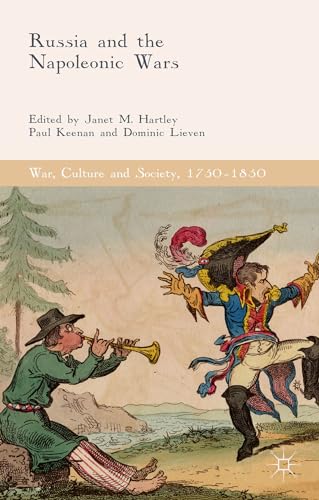
Russia and the Napoleonic Wars
by Janet M. Hartley
Popularity
2.63 / 5
* A book's popularity is determined by how it compares to all other books on this website.
Where to buy?
Buy from Amazon* If you buy this book through the link above, we may receive a small commission at no extra cost to you.
Russia and the Napoleonic Wars by Janet M. Hartley
Details
War:
Napoleonic Wars
Perspective:
Commanders
True Story:
Yes
Biography:
No
Region:
Europe
Published Date:
2015
ISBN13:
9781137527998
Description
Brief Summary
Russia and the Napoleonic Wars by Janet M. Hartley offers a comprehensive look into the crucial role Russia played during the Napoleonic Wars and how the conflicts profoundly affected various facets of Russian society. This book compiles significant research from both Russian and international historians, emphasizing the importance of this era not only for Russia but for Europe as a whole. Hartley delves into the multifaceted impacts of the wars, providing insights into military strategies, political dynamics, and the socio-economic changes triggered by this intense period of conflict.
Main Themes and Topics
The book explores several core themes, with a primary focus on Russia’s strategic maneuvers and responses to Napoleonic aggression. It examines how Tsar Alexander I’s leadership shaped the military and diplomatic roads Russia took, leading to eventual victory against France. The impact of war on Russian culture, economics, and social hierarchy also stands out as a significant theme, depicting how wartime exigencies drove transformations within Russian society. The integration of research from historians around the world provides a diversified perspective on Russia’s pivotal role and the broader geopolitical shifts within Europe.
Writing Style and Tone
Janet M. Hartley’s writing is scholarly yet accessible, effectively bridging academic research with compelling narrative. She employs a clear and engaging style that brings historical events to life, making complex military strategies and socio-political dynamics understandable to both scholars and general readers. Her tone is authoritative and balanced, ensuring that the various perspectives of Russian and non-Russian historians are presented fairly and cohesively. The narrative flow maintains reader interest throughout the detailed exploration of a transformative epoch in European history.