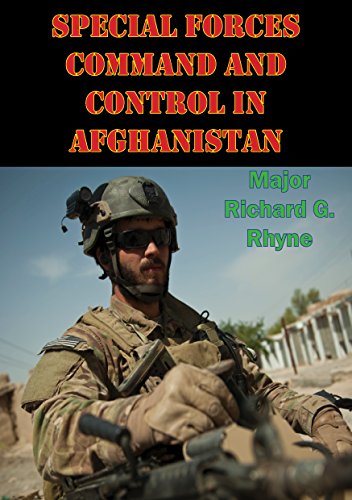
Special Forces Command And Control In Afghanistan
by Major Richard G. Rhyne
Popularity
4.34 / 5
* A book's popularity is determined by how it compares to all other books on this website.
Where to buy?
Buy from Amazon* If you buy this book through the link above, we may receive a small commission at no extra cost to you.
Special Forces Command And Control In Afghanistan by Major Richard G. Rhyne
Details
War:
War on Terror
Perspective:
Commanders
True Story:
Yes
Biography:
No
Region:
Asia
Page Count:
90
Published Date:
2015
ISBN13:
9781786253118
Description
Main Themes and Topics
Special Forces Command And Control In Afghanistan by Major Richard G. Rhyne delves into the intricate relationship between Special Forces and conventional military forces. The book uses Operation Enduring Freedom in Afghanistan as a comprehensive case study, offering insight into the practices and doctrines applied during this operation. The author explores the historical context of military operations, drawing comparisons with World War II, and engagements in Panama, Haiti, Somalia, Bosnia, as well as Operations Desert Shield and Desert Storm. This thematic exploration is pivotal in understanding the complexity and necessity of joint military operations in modern warfare.
Writing Style and Tone
Major Rhyne adopts an analytical and scholarly tone throughout the book, ensuring a detailed yet accessible presentation of military strategies and concepts. The writing is methodical, reflecting a structured approach characteristic of military analysis. This style aids in conveying complex ideas to both military professionals and readers with an interest in military studies. The tone remains objective, staying focused on factual representation and historical accuracy, which complements the book's educational purpose.
Brief Summary
In Special Forces Command And Control In Afghanistan, Major Richard G. Rhyne offers a deep dive into the command and control dynamics between Special Forces and conventional forces, using the Afghanistan conflict as a central study. The book evaluates these relationships against various historical military operations, scrutinizing the benefits and challenges of integrated military efforts. By examining past and present military practices, the author provides insights into the evolution of joint operations, highlighting strategic successes and areas for potential improvement. This detailed analysis serves as an essential resource for understanding the operational intricacies of modern military engagements.


