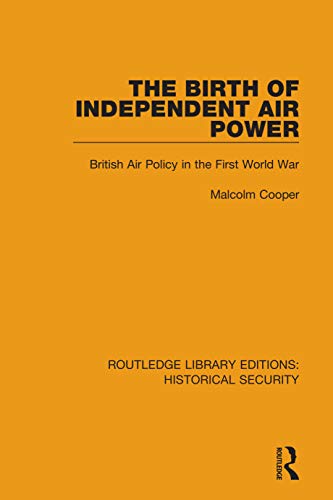
The Birth of Independent Air Power
by Malcolm Cooper
"British Air Policy in the First World War"
Popularity
3.07 / 5
* A book's popularity is determined by how it compares to all other books on this website.
Where to buy?
Buy from Amazon* If you buy this book through the link above, we may receive a small commission at no extra cost to you.
The Birth of Independent Air Power by Malcolm Cooper
Details
War:
World War I
Military Unit:
Royal Air Force
Biography:
No
Region:
Europe
Page Count:
206
Published Date:
2021
ISBN13:
9781000338850
Description
Brief Summary
The Birth of Independent Air Power by Malcolm Cooper offers a comprehensive analysis of the establishment of the Royal Air Force (RAF), the world's first independent air service, formed on 1 April 1918. The book delves into the period leading up to this historic event, exploring how Britain transitioned from having fewer than 200 aircraft at the start of the First World War to commanding an impressive force by the war's end. Cooper sheds light on the multifaceted factors, including political pressures, public demand for air retaliation, and inter-service rivalries that contributed to the RAF's creation. With a firm reliance on official documents and private papers, the book is a crucial resource for understanding the strategic development of air power that ultimately shaped military operations in the twentieth century.
Main Themes and Topics
The central theme of The Birth of Independent Air Power revolves around the complex interplay of political, military, and public influences that led to the formation of the RAF. Cooper explores the challenges in mobilization and expansion faced by Britain's nascent air services during World War I and the political concerns over home defense failures. The book also addresses the intense debates and disagreements between the existing army and naval air services, which eventually necessitated the establishment of an independent air force. These multifactorial conditions under which the RAF was conceived are critically examined, revealing their long-term impact on British air strategy.
Writing Style and Tone
Malcolm Cooper's writing is both scholarly and accessible, ensuring that complex historical and strategic analyses are presented without alienating the lay reader. His methodical approach to documentation and his clear exposition offer readers a deep understanding of a pivotal time in military history. The use of contemporary photographs and detailed case studies enriches the narrative, creating an engaging and informative reading experience.


