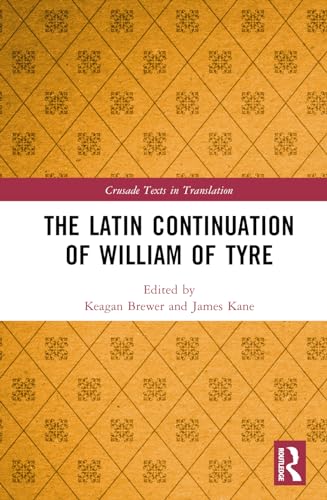
The Latin Continuation of William of Tyre
by James H. Kane
Popularity
4.1 / 5
* A book's popularity is determined by how it compares to all other books on this website.
Where to buy?
Buy from Amazon* If you buy this book through the link above, we may receive a small commission at no extra cost to you.
The Latin Continuation of William of Tyre by James H. Kane
Details
War:
Crusades
Biography:
No
Region:
Middle East
Published Date:
2024
ISBN13:
9780367489656
Description
Main Themes and Topics
The Latin Continuation of William of Tyre by James H. Kane delves into a pivotal era of the Crusades, focusing on the narrative that followed William of Tyre's historical recounting. This work picks up where William left, detailing the years leading to the Muslim conquest of Jerusalem in 1187 and the Third Crusade. One of the central themes is the exploration of the Latin Crusader perspective on these crucial events. The book sheds light on the ecclesiastical and military dynamics of the time, giving readers insights into the struggles and failures faced by the Crusaders in their bid to reclaim Jerusalem. It also discusses the impact of these events on the medieval Christian world and the resulting shifts in power and culture.
Writing Style and Tone
James H. Kane's work is notable for its scholarly approach, balancing academic rigor with accessibility. The translation offers a clear and faithful representation of the original Latin text, allowing modern readers to engage with historical events without losing the nuances of the period. The tone is analytical, providing a critical examination of the historical context while maintaining an objective stance towards the events described. Kane's style manages to be both informative and engaging, making the complex history of the Crusades understandable to students and researchers alike.
Brief Summary
The book begins soon after William of Tyre's chronicle ends in 1184, continuing the narrative up through the fall of Jerusalem to Saladin in 1187 and the unfolding of the Third Crusade. This continuation, completed by an anonymous ecclesiastical figure, is a significant historical document that encapsulates the tensions and tribulations of the Crusaders during a period of intense conflict. Through comprehensive translation and critical editing, the work brings to light the challenges faced by Christian forces, the internal and external strife, and their ultimate failure to recapture Jerusalem.


