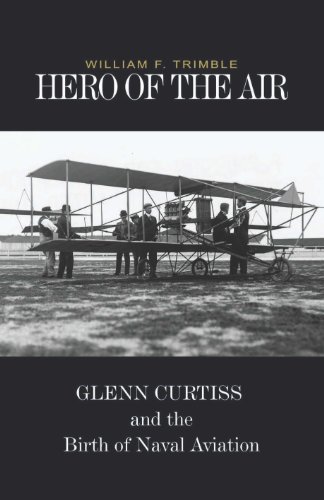
Hero of the Air
by William F Trimble
"Glenn Curtiss and the Birth of Naval Aviation"
Popularity
3.76 / 5
* A book's popularity is determined by how it compares to all other books on this website.
Where to buy?
Buy from Amazon* If you buy this book through the link above, we may receive a small commission at no extra cost to you.
Hero of the Air by William F Trimble
Details
Perspective:
Pilots
Military Unit:
US Navy
True Story:
Yes
Biography:
Yes
Region:
North America
Page Count:
322
Published Date:
2010
ISBN13:
9781612514116
Description
Brief Summary
Hero of the Air by William F Trimble provides an in-depth exploration of the instrumental role played by Glenn H. Curtiss in the foundational years of aviation innovation, specifically focusing on his collaboration with the United States Navy. Trimble meticulously details Curtiss’s groundbreaking work as an inventor and self-taught mechanic, highlighting his pivotal advancements such as the development of a control system using the aileron, the creation of the first successful hydro-airplane, and the introduction of the flying boat. The book further delves into the strategic partnership between Curtiss and the Navy, showcasing how this collaboration was crucial in tailoring aviation technologies and training programs to meet the unique demands of naval operations. The narrative covers the breadth of Curtiss’s influence from the early 20th century through World War I, culminating in the historic 1919 transatlantic flight achieved by Navy-Curtiss NC flying boats.
Main Themes and Topics
One of the central themes of Hero of the Air is the synergy between government and private sectors in fostering technological advancement. The book offers a comprehensive examination of how Curtiss’s relationship with the Navy exemplified this collaborative spirit, driving significant innovations that were critical to the Navy’s adoption of aviation technology. It also explores the broader implications of these developments within the context of the Navy's evolving strategies and operational requirements. By addressing the myth of the Navy's resistance to aviation, Trimble illustrates the proactive stance taken by key naval figures, particularly Captain Washington I. Chambers, in advocating for aviation’s integration into naval capabilities. Another central topic is the dynamic interaction between weapons procurement processes and technological innovation within the bureaucratic structure of the Navy.
Writing Style and Tone
William F Trimble employs a detailed and scholarly writing style, carefully reconstructing historical events with precision and authority. His use of primary source materials lends an academic rigor to the narrative while ensuring that the account remains engaging and accessible to readers interested in military history and aviation. Trimble adopts a tone that is both informative and appreciative of the complexities involved in pioneering new technologies within a military context, providing readers with a nuanced understanding of the era.
Criticism
While Hero of the Air is widely appreciated for its thorough research and insightful analysis, some readers may find the dense compilation of technical details and historical documentation a bit overwhelming. The focus on primary sources, while adding authenticity, may at times detract from the narrative flow, requiring readers to engage with the material more slowly and deliberately to fully grasp the intricacies of Curtiss’s contributions and collaborations.