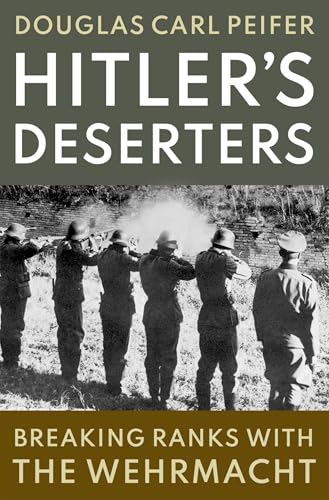
Hitler's Deserters
by Douglas Carl Peifer
"Breaking Ranks with the Wehrmacht"
Popularity
4.09 / 5
* A book's popularity is determined by how it compares to all other books on this website.
Where to buy?
Buy from Amazon* If you buy this book through the link above, we may receive a small commission at no extra cost to you.
Hitler's Deserters by Douglas Carl Peifer
Details
War:
World War II
Perspective:
Infantry
Military Unit:
Wehrmacht
True Story:
Yes
Biography:
No
Region:
Europe
Published Date:
2025
ISBN13:
9780197539682
Description
Main Themes and Topics
Hitler's Deserters by Douglas Carl Peifer delves into the harrowing experiences of Wehrmacht soldiers who chose to desert during World War II. The book meticulously examines the identities of these deserters, exploring the multifaceted reasons behind their decisions to abandon their posts. It also sheds light on the severe consequences that awaited them under the brutal military justice system of Nazi Germany. Key themes include the Dolchstoss legend, the ruthless policies of the German military, and the post-war debate on how deserters should be perceived in the context of Germany's process of coming to terms with its past, known as Vergangenheitsbewältigung.
Writing Style and Tone
Douglas Carl Peifer approaches this complex subject with a scholarly tone, providing a well-researched and analytical narrative. The book is rich with historical detail, offering readers an insightful examination of military justice in the Third Reich. Peifer's writing is clear and methodical, making complex themes accessible while ensuring the academic rigor expected from a historical study. His tone is balanced, providing a nuanced perspective on a topic often fraught with emotional and political implications.
Brief Summary
Hitler's Deserters explores the fate of thousands of Wehrmacht soldiers executed for desertion during World War II. Through detailed historical analysis, Peifer investigates the identity of these deserters, their motivations, and the draconian punishment they faced. He offers a comprehensive look at how the German military's approach to desertion stemmed from post-World War I sentiments and aligned with Hitler's ideology. The book also discusses the post-war discourse on rehabilitating these soldiers and their contested legacy in Germany's historical consciousness.


