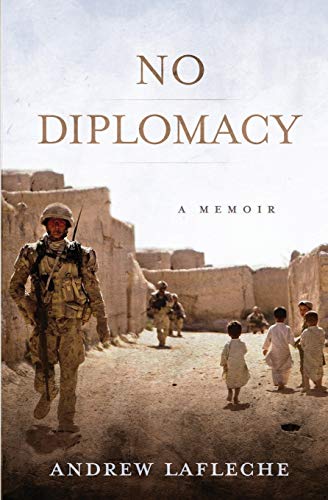
No Diplomacy
by Andrew Lafleche
"Musings of an Apathetic Soldier"
Popularity
3.14 / 5
* A book's popularity is determined by how it compares to all other books on this website.
Where to buy?
Buy from Amazon* If you buy this book through the link above, we may receive a small commission at no extra cost to you.
No Diplomacy by Andrew Lafleche
Details
Biography:
No
Page Count:
134
Published Date:
2015
ISBN13:
9780994790101
Description
Main Themes and Topics
No Diplomacy by Andrew Lafleche offers a raw and unsettling look into the life of a soldier. It challenges the typical hero narrative with its focus on the stark realities of combat. Lafleche's work delves into themes of war, trauma, and the psychological burden carried by soldiers. The book is rooted in firsthand experience, providing an unvarnished portrayal of military life, specifically drawing from the author’s deployment in Afghanistan. Central to its narrative is the exploration of moral ambiguity and the mental toll of war, raising profound questions about violence, survival, and humanity in extreme conditions.
Writing Style and Tone
Andrew Lafleche's writing style in No Diplomacy is notably direct and unpretentious, reflecting his background as a former infantry soldier. The tone is cynical and brutally honest, eschewing romanticized depictions of warfare. The language is raw, filled with explicit descriptions, and devoid of sugarcoating, effectively immersing the reader in the visceral reality of combat. This approach ensures a gripping narrative that holds the reader's attention from start to finish. Lafleche's prose is unapologetically intense, capturing the chaotic and often disorienting experiences of battle.
Brief Summary
No Diplomacy recounts the experiences of a Canadian soldier deployed in Afghanistan during the summer of 2010. Rather than glorifying the feats of war, the book provides an unfiltered depiction of a soldier's life on the frontline. It addresses the challenges and moral complexities faced by those in combat, offering a personal and often uncomfortable view of the psychological and emotional landscape of warfare. The narrative is driven by the question, "Have you ever killed someone?" which serves as a starting point for deeper introspection and exploration of the soldier’s psyche.