Operation Red Wings
by Peter Nealen
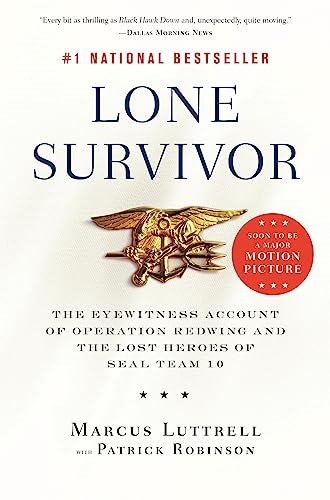
"The Rescue Story Behind Lone Survivor"
Popularity
4.91 / 5
* A book's popularity is determined by how it compares to all other books on this website.
Where to buy?
Buy from Amazon* If you buy this book through the link above, we may receive a small commission at no extra cost to you.
Operation Red Wings by Peter Nealen
Details
War:
War in Afghanistan
Perspective:
Special Forces
Military Unit:
US Navy
True Story:
Yes
Biography:
No
Region:
Asia
Page Count:
59
Published Date:
2013
ISBN13:
9781466855533
Summary
Operation Red Wings: The Untold Story Behind Lone Survivor examines the 2005 Afghanistan mission that became famous through Marcus Luttrell's account. Peter Nealen presents an alternative perspective on the ill-fated Navy SEAL operation, analyzing tactical decisions, intelligence failures, and the events leading to the deaths of multiple servicemembers. Drawing on military analysis and additional sources, the book challenges some popular narratives while honoring the sacrifice of those involved. Nealen explores the complexities of special operations in hostile terrain and questions surrounding the mission's planning and execution.
Review of Operation Red Wings by Peter Nealen
Peter Nealen's "Operation Red Wings: The Untold Story Behind Lone Survivor" offers a detailed examination of one of the most controversial and tragic military operations of the war in Afghanistan. The book takes readers beyond Marcus Luttrell's widely known account to explore the broader context, planning, and aftermath of the June 2005 mission that resulted in the deaths of 19 American servicemembers. Nealen, drawing on his background as a former military contractor and author of military fiction and non-fiction, attempts to provide a more comprehensive picture of the events that unfolded in the mountains of the Kunar Province.
The narrative begins by establishing the operational environment in Afghanistan during 2005, when coalition forces were working to stabilize the region and hunt down high-value Taliban targets. Operation Red Wings was conceived as a reconnaissance and surveillance mission targeting Ahmad Shah, a Taliban leader operating in the mountainous terrain near the border with Pakistan. Nealen delves into the mission planning process, examining the intelligence that drove the operation and the tactical decisions made by commanders at various levels. This approach provides readers with insight into how such operations are conceived and approved within the military command structure.
One of the book's primary contributions is its exploration of the multiple perspectives surrounding the mission. Rather than focusing solely on the four-man SEAL reconnaissance team that inserted into the mountains, Nealen examines the roles played by various units and individuals involved in the operation. This includes the quick reaction force that launched a rescue attempt aboard an MH-47 Chinook helicopter, which was tragically shot down, killing all 16 personnel aboard. The book explores the decisions made during the rescue attempt and the factors that contributed to the helicopter's vulnerability.
Nealen addresses several points of controversy that have emerged in the years since the operation. Different accounts of Operation Red Wings have presented varying details about key moments, including the number of enemy fighters encountered, the circumstances surrounding the discovery of the SEAL team, and the decisions made during the mission. The author attempts to reconcile these discrepancies by examining multiple sources and providing context for why different participants might have experienced or remembered events differently. This analytical approach encourages readers to understand the complexity of combat situations and the challenges inherent in reconstructing events after the fact.
The book pays significant attention to the tactical and strategic lessons that emerged from Operation Red Wings. Nealen examines questions about rules of engagement, communication protocols, operational security, and the challenges of conducting small-unit operations in complex terrain against a determined enemy. These discussions provide valuable insights for readers interested in military tactics and strategy, though they remain accessible to general audiences without requiring specialized knowledge.
Throughout the narrative, Nealen maintains respect for the servicemembers who participated in the operation while not shying away from examining mistakes and questionable decisions. The book acknowledges the courage and professionalism displayed by those involved while also recognizing that operations do not always unfold as planned and that errors in judgment can have devastating consequences. This balanced approach allows readers to appreciate both the heroism of individual servicemembers and the harsh realities of combat operations.
The author's research includes examination of after-action reports, interviews, and previously published accounts of the operation. This multi-source approach strengthens the narrative's credibility and allows Nealen to present a more complete picture than might be available from any single source. However, readers should note that some aspects of the operation remain classified or disputed, and certain details may never be fully resolved to everyone's satisfaction.
The writing style is straightforward and accessible, making complex military operations understandable to civilian readers without oversimplifying the material. Nealen provides sufficient context and explanation of military terminology and procedures to ensure that readers unfamiliar with military operations can follow the narrative. At the same time, the level of detail and analysis should satisfy readers with military backgrounds or deep interest in special operations.
"Operation Red Wings: The Untold Story Behind Lone Survivor" serves as an important contribution to the literature on the Afghanistan conflict and special operations. By expanding the focus beyond a single survivor's account and examining the operation from multiple angles, Nealen provides readers with a more comprehensive understanding of what happened during those fateful days in June 2005. The book stands as both a tribute to those who gave their lives during the operation and a serious examination of military decision-making under difficult circumstances. For readers seeking a deeper understanding of Operation Red Wings and its place in the broader context of the Afghanistan war, this book offers valuable insights and raises important questions about how such operations are planned and executed.