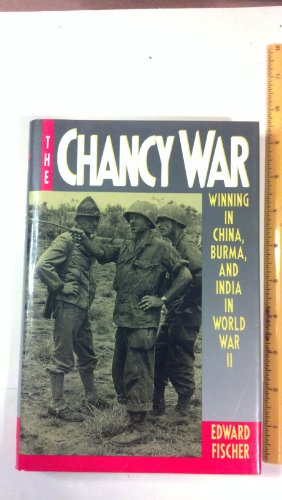
The Chancy War
by Edward Fischer
"Winning in China, Burma, and India in World War Two"
Popularity
4.2 / 5
* A book's popularity is determined by how it compares to all other books on this website.
Where to buy?
Buy from Amazon* If you buy this book through the link above, we may receive a small commission at no extra cost to you.
The Chancy War by Edward Fischer
Details
War:
World War II
Perspective:
Commanders
Biography:
No
Region:
Asia
Page Count:
250
Published Date:
1991
ISBN13:
9780517584248
Description
Brief Summary
The book The Chancy War by Edward Fischer takes readers on a journey through a dramatic and lesser-known military campaign. Fischer meticulously narrates the series of events that unfold, shedding light on the strategic maneuvers, the key players involved, and the impact of the campaign on the broader historical context. The narrative is both engaging and informative, capturing the essence of this pivotal moment in history.
Main Themes and Topics
One of the main themes explored in The Chancy War is the unpredictability and complexity of military campaigns. Fischer delves into the intricacies of wartime decisions, illustrating how chance factors and unforeseen circumstances play pivotal roles in the outcome. Additionally, the book examines the human aspects of war, focusing on the morale, resilience, and leadership of the individuals involved. These themes collectively offer insights into the multifaceted nature of conflict.
Writing Style and Tone
Edward Fischer employs a descriptive and analytical writing style in The Chancy War, making it accessible to both history enthusiasts and general readers. His methodical approach to detailing events provides clarity while maintaining a narrative drive that keeps readers engaged. Fischer’s tone is objective yet empathetic, as he balances factual reporting with an understanding of the human experience in wartime.
Criticism
Some readers and critics have pointed out that while The Chancy War offers a thorough recounting of the campaign, the dense concentration of factual information can occasionally overshadow the narrative flow. This heavy detailing might be daunting for readers not accustomed to military histories and could potentially detract from the overall readability for the less initiated.


