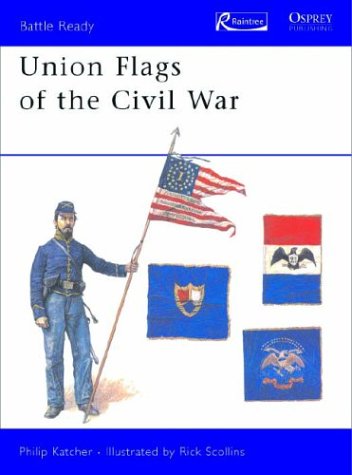
Union Flags of the Civil War
by Philip R. N. Katcher
Popularity
2.17 / 5
* A book's popularity is determined by how it compares to all other books on this website.
Where to buy?
Buy from Amazon* If you buy this book through the link above, we may receive a small commission at no extra cost to you.
Union Flags of the Civil War by Philip R. N. Katcher
Details
War:
American Civil War
Perspective:
Researcher
True Story:
Yes
Biography:
No
Region:
North America
Published Date:
2003
ISBN13:
9781410901231
Description
Brief Summary
Union Flags of the Civil War by Philip R. N. Katcher offers an in-depth exploration of the various flags used by the Union side during the American Civil War. The book is enriched with a collection of photographs and illustrations that vividly depict the different flags, their designs, and the historical context surrounding their use. The accompanying text further delves into the significance of these flags, providing readers with a comprehensive understanding of their role and symbolism during the war.
Main Themes and Topics
The primary focus of the book is on the Union flags that were prominently flown during the Civil War. Katcher meticulously details the diversity of these flags, explaining their origins and the meanings behind their designs. The book explores the cultural and emotional significance of these symbols as they related to the soldiers and the broader Union cause. Additionally, it touches on the flags' role in communication and morale-building on the battlefield. Through an examination of regimental, brigade, and division flags, readers gain insight into the communal identity and pride associated with these emblems.
Writing Style and Tone
Katcher's writing style in Union Flags of the Civil War is both informative and engaging, which makes a potentially niche subject accessible to a broader audience. The detailed descriptive text is well-supported by visual elements, providing a balanced narrative that is both educational and visually appealing. Katcher maintains a tone of reverence and respect for historical accuracy, ensuring that the information presented is both credible and compelling.
Criticism
One potential criticism of the book could be its focus on a very specific aspect of the Civil War, which may not appeal to readers seeking broader historical analyses. Some readers might find the level of detail on the flags' designs and histories to be overwhelming if they are not particularly interested in military heraldry or vexillology. However, for those interested in the intersection of history and symbolism, the book provides a thorough and satisfying exploration.