Heart of A Lion
by Gary Williams
"The Leadership of LT Michael P. Murphy, U. S. Navy SEAL Plank Owners Edition"
Popularity
4.54 / 5
* A book's popularity is determined by how it compares to all other books on this website.
Where to buy?
Buy from Amazon* If you buy this book through the link above, we may receive a small commission at no extra cost to you.
Heart of A Lion by Gary Williams
Details
Perspective:
Special Forces
Military Unit:
US Navy
True Story:
Yes
Biography:
Yes
Region:
North America
Published Date:
2011
ISBN13:
9780984835126
Summary
Heart of a Lion examines the leadership qualities and heroic actions of Lieutenant Michael P. Murphy, a U.S. Navy SEAL who received the Medal of Honor posthumously for his courage during Operation Red Wings in Afghanistan. Author Gary Williams analyzes Murphy's character, decision-making, and selfless leadership during a intense firefight where he sacrificed his life to save his teammates. The book draws leadership lessons from Murphy's military service, personal values, and the critical moments that defined his legacy, offering insights applicable to both military and civilian contexts.
Review of Heart of A Lion by Gary Williams
Gary Williams' "Heart of a Lion: The Leadership Skills of Medal of Honor Recipient Lt. Michael P. Murphy, U.S. Navy SEAL" offers a focused examination of one of the most decorated figures in modern American military history. Rather than presenting a conventional biography, Williams structures his book around the leadership principles that defined Murphy's brief but impactful career as a Navy SEAL officer. The result is a work that serves both as a tribute to Murphy's sacrifice and as a practical study of what effective leadership looks like under extreme circumstances.
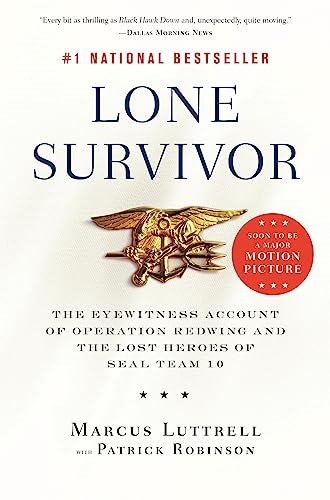
Michael Murphy earned the Medal of Honor posthumously for his actions during Operation Red Wings in Afghanistan in 2005, a mission that has since become widely known through various accounts, including the bestselling book and film "Lone Survivor." Williams approaches this well-documented event from a different angle, using Murphy's final moments not merely as a dramatic climax but as evidence of leadership qualities that were present throughout his life. This approach distinguishes the book from other accounts of the same mission, giving readers a fuller picture of the man behind the medal.
The book traces Murphy's development from his childhood on Long Island through his time at Penn State University, where he studied psychology and considered law school, to his decision to join the Navy and pursue the demanding path toward becoming a SEAL officer. Williams uses these early chapters to establish the foundational traits that would later define Murphy's command style: a strong sense of responsibility toward others, physical and mental toughness, and a willingness to put the needs of his team above his own comfort or advancement. These qualities are presented not as innate gifts but as characteristics that were cultivated over time through discipline and experience.
What sets this book apart from typical military biographies is its structural emphasis on leadership as a teachable skill set. Williams breaks down specific principles that Murphy embodied, such as leading by example, maintaining composure under pressure, and prioritizing the welfare of subordinates even at significant personal risk. Each leadership concept is illustrated through concrete episodes from Murphy's training and deployment, giving the book practical value beyond its historical content. This makes it relevant not only to readers interested in military history but also to those studying leadership in broader professional or organizational contexts.
The narrative surrounding Operation Red Wings receives careful treatment. Murphy's decision to move into open terrain to get a clear signal for a distress call, despite being under heavy enemy fire, is presented as the culmination of the leadership philosophy the book has been building throughout its earlier chapters. This action, which ultimately cost him his life, is framed as consistent with the values he had demonstrated since his youth rather than as an isolated act of heroism disconnected from his character.
Williams writes in a clear, accessible style that avoids unnecessary embellishment. The prose is straightforward, allowing the substance of Murphy's story to carry the emotional weight of the narrative without relying on sensationalized language. This restraint serves the material well, as the facts of Murphy's life and death are compelling enough on their own merits.
The book draws on interviews with those who knew Murphy, including family members, fellow SEALs, and instructors, providing firsthand perspectives that add depth and credibility to the leadership analysis. These accounts help humanize Murphy beyond his public image as a war hero, presenting him as a complex individual whose leadership abilities were shaped by genuine care for the people around him.
For readers interested in military history, this book provides valuable context around a significant event and figure. For those studying leadership more broadly, it offers a case study grounded in real consequences and high stakes. The combination of biographical narrative and leadership instruction makes "Heart of a Lion" a worthwhile read for anyone seeking to understand how character and leadership principles can manifest in moments of extreme adversity. Williams has produced a respectful and instructive account that honors Murphy's memory while extracting meaningful lessons applicable well beyond the battlefield.