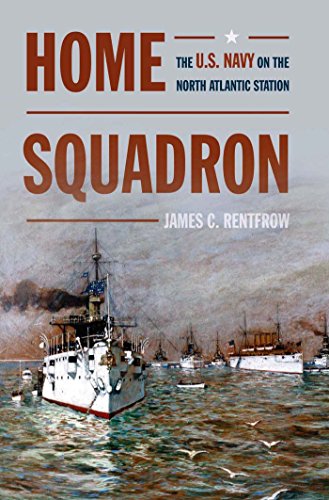
Home Squadron
by James C Rentfrow
"The U.S. Navy on the North Atlantic Station"
Popularity
3.78 / 5
* A book's popularity is determined by how it compares to all other books on this website.
Where to buy?
Buy from Amazon* If you buy this book through the link above, we may receive a small commission at no extra cost to you.
Home Squadron by James C Rentfrow
Details
Perspective:
Commanders
Military Unit:
US Navy
True Story:
Yes
Biography:
No
Region:
North America
Page Count:
230
Published Date:
2014
ISBN13:
9781612514482
Description
Main Themes and Topics
Home Squadron by James C Rentfrow explores the significant transformation of the United States Navy on the North Atlantic Station from 1874 to 1897. During this period, the U.S. Navy evolved from a collection of independently operating warships into a cohesive battle fleet, later known as the "Home" Squadron. Rentfrow meticulously examines the organizational changes that allowed these vessels to operate in a coordinated manner under a commanding admiral, reflecting a shift towards a more strategic and offensive naval force.
The book delves into the development of naval tactics, as the Navy transitioned from wooden cruising vessels to steel warships. Rentfrow highlights the importance of exercises in fleet tactics, which prepared the Squadron for multi-ship operations and enabled the creation of a unified combat identity. The study also addresses the external and internal factors that influenced the pace of this transformation, including ad-hoc deployments that slowed doctrinal advancements.
Rentfrow posits that the U.S. government's imperial aspirations were evident well before the War of 1898, emphasizing the notion of establishing a naval combat capability to influence or restrict the actions of other powers in the Caribbean. The book effectively argues that this buildup was not merely a reaction to immediate conflicts but a strategic long-term vision.
Writing Style and Tone
James C Rentfrow employs a scholarly and analytical tone, suitable for both academic audiences and naval history enthusiasts. His writing is precise and thoroughly detailed, reflecting a deep understanding of naval strategy and historical context. Rentfrow's style is engaging, offering readers a clear and comprehensive analysis of the Navy's structural evolution during this critical period.
While the book is dense with information, Rentfrow manages to make complex naval strategies accessible. The historical narrative is well-supported by evidence, providing readers with a robust examination of the tactical exercises and administrative changes that defined the era. The text is structured logically, guiding readers through the intricate process of naval transformation with clarity.
Brief Summary
Home Squadron presents an in-depth study of the growth and development of the United States Navy's battle fleet between 1874 and 1897. The North Atlantic Station, originally comprised of independently commanded warships, gradually adopted a cohesive operational structure under a commanding admiral. This change marked the creation of a formidable naval force with a new organizational identity.
Through a combination of historical analysis and tactical examination, Rentfrow chronologically outlines the Navy's transition from obsolete wooden cruisers to advanced steel warships. The book captures the navy's strategic initiatives, fleet exercises, and the occasional setbacks that shaped its combat readiness and revealed early indications of U.S. imperial ambitions.
Criticism
Some readers may find the dense historical and technical details in Home Squadron challenging, particularly those with a casual interest in naval history. The academic nature of Rentfrow's writing may not cater to all audiences. Readers seeking a more narrative-driven or character-focused military history might find this work less engaging.
Additionally, while the book provides an exhaustive analysis of naval developments, some might argue that it could benefit from a broader contextualization of how these changes within the U.S. Navy influenced or paralleled other contemporary military advancements globally.


