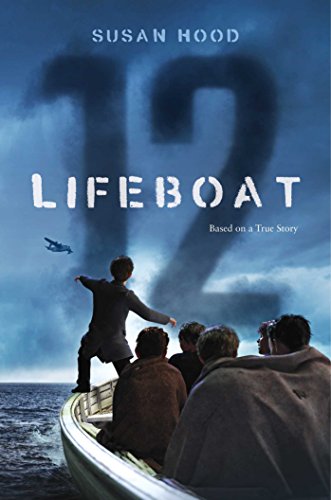
Lifeboat 12
by Susan Hood
Popularity
4.87 / 5
* A book's popularity is determined by how it compares to all other books on this website.
Where to buy?
Buy from Amazon* If you buy this book through the link above, we may receive a small commission at no extra cost to you.
Lifeboat 12 by Susan Hood
Details
War:
World War II
Perspective:
Civilian
True Story:
Yes
Biography:
No
Region:
Europe
Published Date:
2018
ISBN13:
9781481468831
Summary
In September 1940, thirteen-year-old Ken Sparks boards a ship to escape war-torn England for safety in Canada. When a German torpedo strikes the ship, Ken ends up in Lifeboat 12 with other boys and crew members. Stranded in the North Atlantic for eight days with limited supplies, the group faces storms, cold, and dwindling hope. This verse novel recounts Ken's true survival story, highlighting courage, resilience, and the bonds formed during their harrowing ordeal at sea during World War II.
Review of Lifeboat 12 by Susan Hood
Susan Hood's "Lifeboat 12" presents a gripping account of one of World War II's lesser-known maritime tragedies, bringing to light the harrowing experience of Kenneth Sparks and other child evacuees during the City of Benares disaster. Written in verse, this middle-grade historical novel transforms a documented wartime event into an accessible and emotionally resonant narrative that captures both the terror and remarkable resilience displayed by those aboard Lifeboat 12.
The book centers on the British government's Children's Overseas Reception Board program, which evacuated children from England to safety in Canada and other Commonwealth nations during the Blitz. In September 1940, the SS City of Benares was torpedoed by a German U-boat in the Atlantic Ocean, approximately 600 miles from land. The ship carried not only regular passengers but also ninety children being sent abroad for their protection. The attack resulted in significant loss of life, and the children in Lifeboat 12 faced eight days adrift in the North Atlantic before rescue arrived.
Hood's decision to employ verse rather than traditional prose proves remarkably effective for this subject matter. The spare, carefully chosen words mirror the stripped-down circumstances of survival at sea, where every action and resource holds heightened significance. The verse format also makes the material more accessible to younger readers while maintaining the gravity of the historical events. The rhythm and pacing of the poetry propel the narrative forward, creating tension and urgency that might be diluted in conventional prose.
The characterization of young Ken Sparks, who was thirteen at the time of the disaster, provides readers with a relatable entry point into this historical tragedy. Through his perspective, the story explores themes of courage, hope, and human endurance under extreme circumstances. The supporting cast, including other children and adults who shared the lifeboat, emerge as distinct individuals rather than historical footnotes. Their interactions reveal both the best and worst of human nature under pressure, from selfless acts of protection to the inevitable conflicts that arise when survival is uncertain.
The narrative does not shy away from the harsh realities faced by those in the lifeboat. Exposure to the elements, limited supplies, injuries, and the psychological toll of watching for rescue that might never come are all portrayed with age-appropriate honesty. Hood handles these difficult aspects with sensitivity, never becoming gratuitous while still honoring the authentic suffering experienced by the survivors. The deaths that occurred are acknowledged without graphic detail, striking a careful balance between historical accuracy and consideration for the intended audience.
Extensive back matter enhances the book's value as both literature and historical resource. Hood includes author's notes, photographs, additional historical context about the evacuation program and the City of Benares disaster, and information about what happened to the survivors after their rescue. This supplementary material demonstrates the thorough research underlying the narrative and provides readers with pathways to further exploration of this period in history. The inclusion of primary source material and survivor testimonies adds authenticity and depth to the account.
The book succeeds in illuminating a specific historical moment while exploring universal themes relevant to contemporary readers. The questions it raises about risk, responsibility, and the protection of children during wartime remain pertinent. The story also highlights the often-overlooked experiences of children during World War II, moving beyond the familiar narratives of soldiers and battlefields to examine how global conflict affected the youngest and most vulnerable civilians.
Hood's writing demonstrates respect for both her subject matter and her audience. The verse never feels like a gimmick but rather serves the story's emotional and narrative needs. The language remains clear and powerful without condescension, trusting young readers to engage with difficult material. This approach reflects a broader trend in middle-grade historical fiction that treats young audiences as capable of understanding complex and sometimes painful historical truths.
"Lifeboat 12" stands as a valuable contribution to World War II literature for young readers, offering a distinct perspective that complements more widely known stories from the era. The book preserves an important piece of history while crafting a narrative that engages readers on an emotional and human level. For classrooms, libraries, and home readers seeking well-researched historical fiction that combines literary merit with educational value, this work delivers on multiple fronts. It serves as both a memorial to those who experienced this tragedy and an introduction for new generations to a remarkable story of survival against overwhelming odds.


