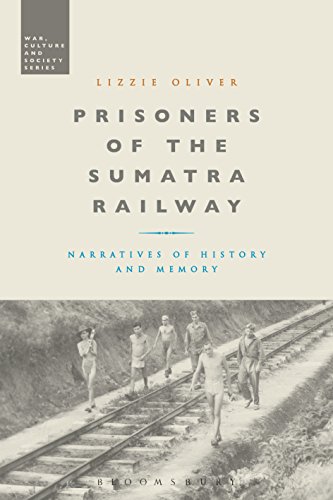
Prisoners of the Sumatra Railway
by Lizzie Oliver
"Narratives of History and Memory"
Popularity
3.29 / 5
* A book's popularity is determined by how it compares to all other books on this website.
Where to buy?
Buy from Amazon* If you buy this book through the link above, we may receive a small commission at no extra cost to you.
Prisoners of the Sumatra Railway by Lizzie Oliver
Details
War:
World War II
Perspective:
Prisoners of War
True Story:
Yes
Biography:
No
Region:
Asia
Page Count:
193
Published Date:
2017
ISBN13:
9781350024144
Description
Brief Summary (no spoilers)
Prisoners of the Sumatra Railway by Lizzie Oliver is a groundbreaking exploration into the harrowing experiences of British prisoners of war (POWs) during the Japanese occupation, forced to construct a railway across Sumatra. This work is uniquely comprehensive as it delves into the life-writing of these POWs, offering insights into their lived experiences and the lasting impact on subsequent generations in Britain. Central to the narrative are previously unpublished materials, including diaries, memoirs, and evocative artwork, which collectively offer a deeply personal view of history. This book stands as a significant contribution to the study of World War II, particularly regarding Southeast Asian history and the nuanced understanding of war and memory.
Main Themes and Topics
The primary themes of Prisoners of the Sumatra Railway include the endurance of human spirit amidst severe adversity, the complexities of memory and war representation, and the transgenerational transmission of trauma and history. Lizzie Oliver's work also emphasizes the importance of preserving and sharing personal histories through life-writing. She dives deeply into how these POWs documented their experiences through diaries, letters, and art, providing a voice to the unspeakable hardships they endured. These writings are not only historical documents but also serve as a means of understanding the psychological and emotional legacy of captivity.
Writing Style and Tone
Lizzie Oliver's writing in Prisoners of the Sumatra Railway is compelling and meticulously researched, reflecting a scholarly yet accessible tone. The integration of theoretical frameworks regarding life-writing, memory, and war representation adds depth to the narrative, enabling readers to gain a more profound understanding of the broader implications of these personal accounts. Oliver's tone is respectful and empathetic, carefully balancing the presentation of harsh realities with academic insight and compassion.
Awards and Recognition
While specific awards for Prisoners of the Sumatra Railway are not detailed in available information, the book's innovative approach and contribution to the fields of war history and memory studies have been acknowledged by scholars and historians focusing on World War II and Southeast Asian history. Its unique examination of life-writing and previously unpublished materials makes it a valuable resource for academic circles and history enthusiasts alike.
Criticism
Critics of Prisoners of the Sumatra Railway may argue that the book, while rich in detail and scholarly analysis, may not appeal to those seeking a more narrative-driven account of POW experiences. The focus on theoretical frameworks and life-writing might come across as dense for casual readers or those not familiar with academic approaches to history and memory studies. However, for readers interested in a rigorous examination of personal histories within the context of war, Oliver’s work provides an insightful and thorough exploration.


![The Tattooist of Auschwitz [Movie-Tie-In]](https://m.media-amazon.com/images/I/51oBZ7tuzeL._SL500_.jpg)