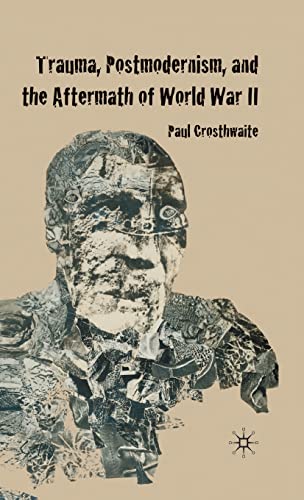
Trauma, Postmodernism and the Aftermath of World War II
by Paul Crosthwaite
Popularity
2.49 / 5
* A book's popularity is determined by how it compares to all other books on this website.
Where to buy?
Buy from Amazon* If you buy this book through the link above, we may receive a small commission at no extra cost to you.
Trauma, Postmodernism and the Aftermath of World War II by Paul Crosthwaite
Details
War:
World War II
Biography:
No
Region:
Europe
Page Count:
246
Published Date:
2009
ISBN13:
9780230202955
Description
Main Themes and Topics
Trauma, Postmodernism and the Aftermath of World War II by Paul Crosthwaite presents a compelling examination of the interconnectedness between postmodernist fiction and the events of the Second World War. The book delves into how Anglo-American postmodernist authors have not abandoned history but rather reshaped it through the lens of trauma. Crosthwaite explores this trauma as an ongoing influence, originating from the catastrophic events of the 1940s, and how it continues to echo throughout postmodern narratives. The book critically analyzes how these narratives reflect and respond to the psychological aftermath of the war, offering a unique interpretation of the influence historical trauma has on shaping literary forms.
Writing Style and Tone
Paul Crosthwaite's writing style is both scholarly and accessible, making it suitable for academic readers and those with a keen interest in literary studies. His tone is analytical yet empathetic, reflecting a deep understanding of both the complexities of postmodern literature and the profound impact of historical events. Crosthwaite uses clear and precise language to explain complex ideas, which enhances the reader's ability to grasp the intricate ways in which trauma and history are interwoven into postmodernist narratives. The book is meticulously structured, offering a coherent progression of ideas that effectively supports its central thesis.
Brief Summary
In Trauma, Postmodernism and the Aftermath of World War II, Paul Crosthwaite embarks on the first in-depth study that connects the dots between postmodernist fiction and the history of the Second World War. He posits that rather than distancing themselves from historical events, postmodernist writers redefine them through the prism of trauma. This trauma, rooted in the devastations of the 1940s, acts as a persistent undercurrent in the narratives examined. Through a thorough exploration, Crosthwaite provides insights into how these works articulate and re-process historical pain and memory, thereby reshaping our understanding of both past and postmodern literary dynamics.