Vietnam Diary
by Richard Tregaskis
Popularity
4.95 / 5
* A book's popularity is determined by how it compares to all other books on this website.
Where to buy?
Buy from Amazon* If you buy this book through the link above, we may receive a small commission at no extra cost to you.
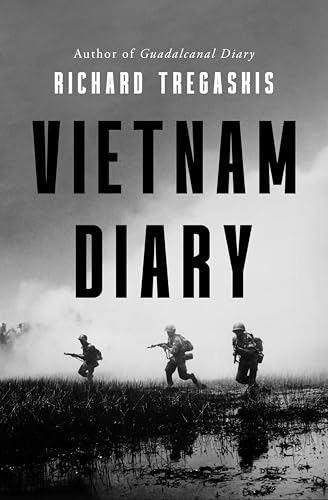
Vietnam Diary by Richard Tregaskis
Details
War:
Vietnam War
Perspective:
War Correspondents
Military Unit:
US Marine Corps
True Story:
Yes
Biography:
Yes
Region:
Asia
Page Count:
397
Published Date:
2025
ISBN13:
9798337200422
Summary
Vietnam Diary is a firsthand account by journalist Richard Tregaskis of his experiences covering the Vietnam War in 1963. The book documents his observations of American military advisors working with South Vietnamese forces during the early stages of U.S. involvement. Tregaskis, known for his World War II reporting, provides detailed descriptions of combat operations, military strategies, and interactions with soldiers on both sides. The diary offers a ground level perspective of the conflict before major American troop deployments, capturing the complexities and challenges of the war during this critical period.
Review of Vietnam Diary by Richard Tregaskis
Richard Tregaskis brings his considerable war correspondent experience to "Vietnam Diary," offering readers an eyewitness account of the conflict during a pivotal period in the mid-1960s. Best known for his World War II classic "Guadalcanal Diary," Tregaskis applies the same observational approach to Vietnam, documenting the day-to-day realities of American military involvement during the conflict's escalation phase.
The book operates as a journalist's field report, structured around Tregaskis's time embedded with American forces in South Vietnam. Rather than presenting a comprehensive historical analysis or political commentary, the narrative focuses on ground-level observations of military operations, conversations with soldiers and officers, and descriptions of the Vietnamese landscape and conditions. This approach reflects Tregaskis's methodology of immersive reporting, placing himself alongside troops in the field to capture authentic details of combat and military life.
Tregaskis documents various aspects of the American military presence, from large-scale operations to smaller unit actions. His accounts include helicopter assaults, search-and-destroy missions, and interactions between American forces and Vietnamese civilians and military personnel. The writing conveys the physical environment of Vietnam—the heat, the terrain, the monsoon conditions—elements that significantly affected military operations and the experiences of those serving there.
The diary format allows for a chronological progression through Tregaskis's observations, creating a sense of immediacy that distinguishes the work from retrospective histories. Readers encounter events as they unfold, without the benefit of hindsight or knowledge of how the war would ultimately progress. This contemporaneous perspective provides historical value, capturing attitudes and assessments from a specific moment in the conflict before its later developments would reshape public and military understanding.
Throughout the narrative, Tregaskis includes direct quotes and conversations with military personnel at various levels of command. These exchanges reveal the thinking, strategies, and challenges faced by those prosecuting the war effort. The book also touches on relationships between American advisors and South Vietnamese forces, an important dimension of the conflict during this period when the American role was expanding but had not yet reached its peak levels.
The author's background as a war correspondent serves the material well. His previous combat reporting experience provides him with perspective on military operations and the ability to communicate technical details in accessible language. Tregaskis demonstrates familiarity with military terminology and procedures while maintaining readability for general audiences. His observational skills capture small details that bring scenes to life—the sounds of helicopters, the appearance of villages, the routines of base camps.
However, the work reflects its time period in ways that may require contextual understanding from contemporary readers. Written during active American involvement, the book naturally carries perspectives and assumptions common to that era. The framing of the conflict, the characterizations of various parties, and the underlying premises about American objectives represent viewpoints that would be questioned and debated extensively as the war continued and in subsequent decades.
The diary's scope remains focused on military activities and the immediate circumstances surrounding them. Readers seeking extensive political analysis, diplomatic history, or broader examination of Vietnamese society and culture will need to supplement this account with other sources. Tregaskis maintains his role as observer and reporter of military operations rather than attempting to provide comprehensive coverage of all dimensions of the conflict.
The writing style is straightforward and descriptive, prioritizing clarity and factual reporting over literary embellishment. Tregaskis maintains a professional journalistic tone throughout, allowing events and observations to speak largely for themselves. This approach creates an accessible reading experience while preserving the documentary character that gives the work its historical significance.
As a primary source document from the Vietnam War era, the book offers researchers and history enthusiasts a window into how the conflict appeared to an experienced American war correspondent during the mid-1960s. The value lies not just in the specific events described but in what the narrative reveals about perceptions, assumptions, and the information available at that particular moment in the war's progression. For those studying Vietnam War history, Tregaskis's account contributes one perspective among many needed to understand the complex and multifaceted nature of the conflict. The book stands as a period artifact, capturing both the events it documents and the mindset of its particular moment in American military history.