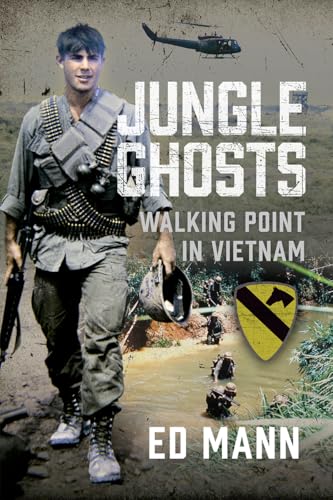
Jungle Ghosts
by Ed Mann
"Walking Point in Vietnam"
Popularity
4.97 / 5
* A book's popularity is determined by how it compares to all other books on this website.
Where to buy?
Buy from Amazon* If you buy this book through the link above, we may receive a small commission at no extra cost to you.
Jungle Ghosts by Ed Mann
Details
War:
Vietnam War
Perspective:
Infantry
Military Unit:
US Army
True Story:
Yes
Biography:
No
Region:
Asia
Page Count:
420
Published Date:
2025
ISBN13:
9781036117443
Summary
Jungle Ghosts is a firsthand memoir by Ed Mann recounting his experiences as a point man with the 25th Infantry Division during the Vietnam War. Mann vividly describes the dangerous role of walking point, being the first soldier to navigate through hostile jungle terrain while detecting enemy positions and booby traps. The book provides raw, personal accounts of combat patrols, the psychological toll of constant vigilance, and the bonds formed between soldiers in one of the war's most perilous assignments. It offers readers an intimate look at ground level infantry operations in Vietnam.
Review of Jungle Ghosts by Ed Mann
Ed Mann's "Jungle Ghosts: Walking Point in Vietnam" offers a gripping and intensely personal account of combat service during one of America's most controversial wars. Mann served as a point man with the 25th Infantry Division, and his memoir provides readers with an unflinching look at the daily realities faced by soldiers navigating the treacherous terrain and constant dangers of the Vietnamese jungle.
The role of point man, walking ahead of the patrol to detect enemy positions and booby traps, was among the most perilous assignments in Vietnam. Mann's narrative captures the extraordinary psychological and physical demands of this position, where every step could trigger a mine or ambush. His writing conveys the heightened awareness required to survive in an environment where the enemy was often invisible and the jungle itself posed countless threats.
What distinguishes this memoir from many other Vietnam War narratives is Mann's ability to convey the sensory experience of jungle warfare. The heat, humidity, and oppressive vegetation become almost palpable through his descriptions. The constant state of alertness, the weight of equipment, the difficulty of maintaining focus during endless patrols through hostile territory—all of these elements emerge clearly from the pages. Mann does not romanticize or glorify the experience; instead, he presents it with stark honesty.
The book's strength lies in its ground-level perspective. Mann focuses on the immediate experiences of soldiers rather than broader strategic concerns or political debates. This approach provides valuable insight into the day-to-day existence of infantrymen who faced an enemy adept at guerrilla tactics and intimately familiar with the terrain. The fear, exhaustion, and occasional moments of dark humor that characterized life in the field receive careful attention.
Mann's narrative also explores the bonds formed between soldiers under extreme conditions. The relationships between squad members, built through shared danger and mutual dependence, emerge as crucial to survival and sanity. These connections provided emotional support in an environment where trust could mean the difference between life and death. The author's respect and affection for his fellow soldiers come through clearly, adding an emotional dimension to the tactical descriptions of combat operations.
The memoir does not shy away from the more difficult aspects of the war. Mann addresses the moral ambiguities soldiers faced, the challenges of distinguishing combatants from civilians, and the psychological toll of sustained combat. His honest treatment of these subjects adds depth and credibility to the narrative. Rather than offering simple answers or neat resolutions, the book acknowledges the complexity of the situations soldiers encountered.
Mann's writing style is direct and accessible, making the book readable for those with varying levels of familiarity with military history. Technical terminology is explained sufficiently without becoming pedantic, and the pacing maintains reader engagement throughout. The author balances action sequences with quieter moments of reflection, creating a rhythm that prevents the narrative from becoming monotonous despite its focus on repeated patrol operations.
The book serves as both a historical document and a tribute to those who served in Vietnam. It contributes to the literature examining the ground-level reality of that conflict, offering perspectives that complement broader historical analyses. For readers seeking to understand what American soldiers experienced in Vietnam beyond strategic overviews and political debates, Mann's account provides valuable firsthand testimony.
"Jungle Ghosts" also touches on the psychological aftermath of combat, though this is not the primary focus. The lingering effects of wartime experiences and the challenges of processing traumatic memories receive acknowledgment, adding another layer to the narrative. This element helps connect the wartime experiences to their longer-term impact on veterans.
The memoir stands as a significant contribution to Vietnam War literature, offering a perspective that is both intensely personal and broadly representative of the infantry experience. Mann's willingness to share his story with candor and detail provides readers with a window into a world that remains remote for most Americans. The book serves educators, historians, and general readers interested in military history or seeking to better understand this pivotal period in American history. Through his recollections of walking point through the Vietnamese jungle, Ed Mann has created a lasting record of courage, sacrifice, and the extraordinary demands placed upon ordinary soldiers in extraordinary circumstances.


